Skip to content

Knowledge Assistants

Answers from your own documents, with the source to prove it.

Assistants for staff or customers that know your policies, contracts, manuals and records, show where every answer came from, and say so when they do not know.

In plain terms

What this is, and when you need it

A knowledge assistant answers questions from your own material instead of the open internet. Behind it is retrieval-augmented generation, or RAG: your documents are indexed, the relevant passages are found for each question, and the model answers from those passages with citations.

A business needs one when people spend their day searching shared drives, asking the one colleague who knows, or answering the same customer questions. Done properly, it respects who can see what, keeps up as documents change and is tested so you can trust it.

What's included

What you can have built

  • Document ingestion

    PDFs, Word, SharePoint, Google Drive, websites and databases, kept in step as they change.

  • Retrieval that finds the right passage

    Hybrid search and re-ranking tuned on your own questions, not a demo set.

  • Citations on every answer

    Each answer links to the passage it came from, so people can check it in a click.

  • Access control

    Staff only see answers from documents they are allowed to open. Customers only see public material.

  • Evaluation

    A test set of real questions, scored before launch and after every change.

  • Where people already ask

    Your website, intranet, Teams, Slack or a WordPress plugin, with hand-over to a person.

How it's built

Design principles

The rules every build follows, whatever the business.

  1. Grounded or silent

    If the answer is not in your material, the assistant says so and suggests who to ask. No guessing.

  2. Permissions follow the document

    Access rules come from where the document lives, so the assistant never shows more than the person could already see.

    How this works, in the Lab
  3. Measured, not assumed

    Accuracy is tested on a set of your real questions and tracked over time, so changes improve it rather than break it.

    How this works, in the Lab
  4. Fresh by default

    New and edited documents are picked up on a schedule, and retired ones drop out of answers.

    How this works, in the Lab
  5. Private and portable

    Your index lives in your own database where possible, and the model can change without rebuilding it.

    How this works, in the Lab
  • Approvals. Money, publishing and advice wait for a person.

  • Data control. Runs in accounts you control, never used for training.

  • UK GDPR. What is processed, where and by whom, written down.

  • Logging. Every action recorded: who did what, and when.

Where it fits

What it looks like in practice

  • Heritage and construction

    Staff questions answered from company guidance and trusted legal sources, with citations.

  • Agencies and SaaS

    A branded knowledge base per client that answers from their own documents.

  • Accountancy and legal

    Internal procedures and technical notes searchable in plain English, by role.

  • Customer support

    Product and policy questions answered on the website, with hand-over to a person.

The engagement

How it runs, start to finish

The full process
  1. Blueprint

    Audit the documents, agree who can see what, and collect 30 to 50 real questions to test against.

  2. Build

    Ingestion, retrieval and answers built and scored against your questions every week.

  3. Launch

    A pilot group uses it first, with a simple thumbs up or down feeding the test set.

  4. Run

    Index kept fresh, accuracy tracked monthly and gaps in your documents reported back.

Stack

What it's built with

Chosen per project. These are the tools in production today.

Models
  • Claude
  • GPT
  • Gemini
  • Llama
  • OpenRouter
  • Groq
Frameworks
  • Custom RAG pipeline
  • LangGraph
  • Tavily
Data
  • Postgres
  • pgvector
  • Supabase Vector
  • SurrealDB
Infra
  • Vercel
  • Fly.io
  • Docker
Channels
  • Website
  • WordPress plugin
  • Microsoft Teams
  • Slack

Related work

Built and running

All work

Cited answersfrom company documents and trusted legal sources

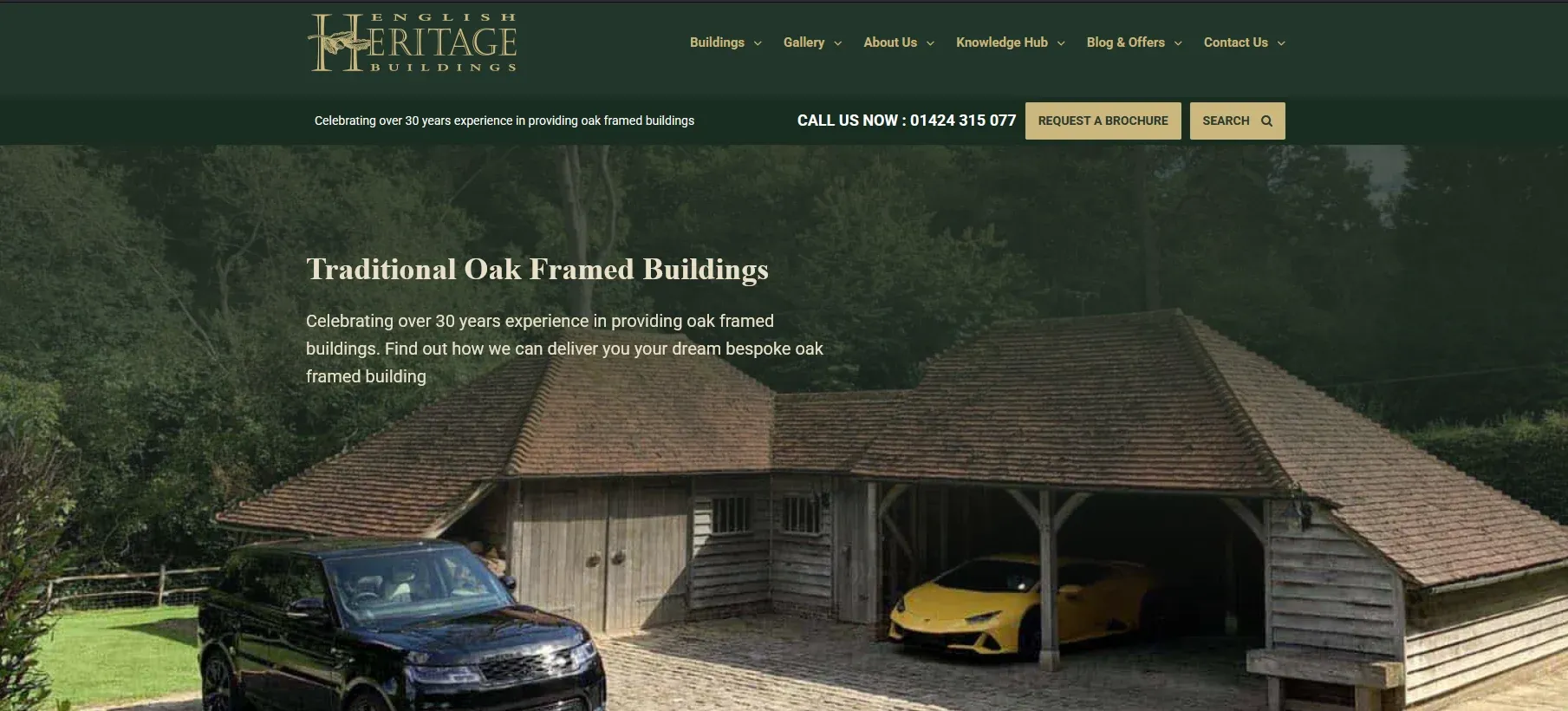
Building-conservation knowledge assistant (private client)

An internal AI assistant for a building-conservation firm that answers staff questions from company documents and trusted legal sources.

Knowledge assistants
  • WordPress plugin
  • Supabase Vector
  • Groq
  • Llama 3

Fully white-labelmulti-tenant knowledge platform, each client on its own brand

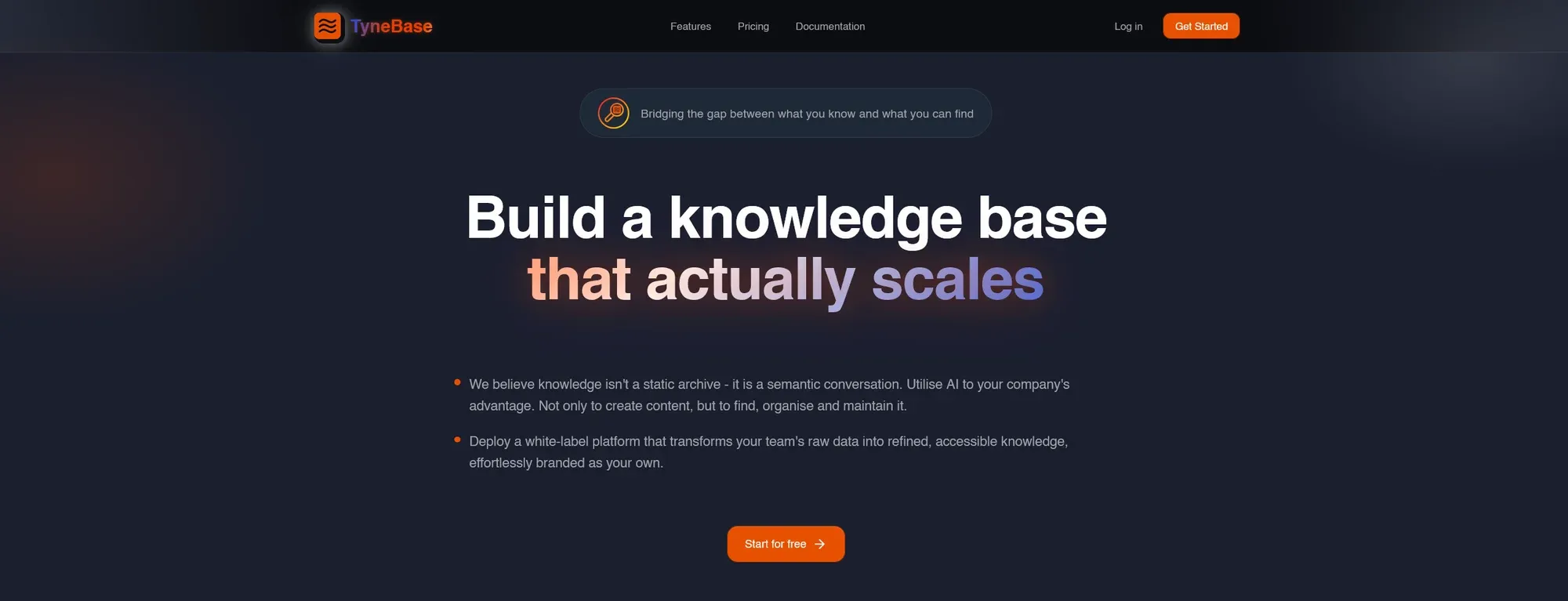
TyneBase

A white-label knowledge platform that lets agencies and enterprise teams run their own branded, AI-searchable knowledge base.

AI products
  • Vue 3
  • React
  • TypeScript
  • PostgreSQL

FAQ

Knowledge assistants: common questions

What does a knowledge assistant cost?

An internal assistant over one document source is usually a small four-figure build. Several sources, strict permissions or a customer-facing deployment cost more. The Blueprint gives you a fixed price.

How long does it take?

Usually two to five weeks, depending on how many sources there are and how tidy they are. A pilot group can use it before full launch.

How do you stop it making things up?

It answers only from retrieved passages, shows its sources, and says when it does not know. Accuracy is measured on your real questions before launch and after every change.

Can it respect who is allowed to see what?

Yes. Permissions are taken from where each document lives, so a person only gets answers from documents they could already open.

Where is our data stored?

In a database you control where possible, in the UK or EU. AI services are configured so your documents are not used for training.

What happens when our documents change?

New and edited documents are re-indexed on a schedule, and removed ones stop appearing in answers. On a Run plan, freshness and accuracy are checked every month.

Not sure where to start? Book a Blueprint

A fixed-fee architecture engagement: what to build, how it fits your tools, and a fixed price to build it. £160, credited against the build.