Skip to content

AI Products & MVPs

From idea to an AI product people can actually use.

Scoping, architecture, build and launch of SaaS platforms, internal tools and MVPs, by the architect who will still be there for version two.

In plain terms

What this is, and when you need it

An AI product is software where AI is part of what the customer pays for: a platform that answers from their documents, a report that pulls many sources into one, an assistant inside a workflow. An MVP is the smallest version that proves people will use it.

This is for founders and teams with a product idea, a validated problem or an internal tool that should become a product. The aim is a real launch on a foundation that can grow: accounts, billing, tenants and monitoring, not a demo that has to be rebuilt.

What's included

What you can have built

  • Scoping and validation

    The smallest product that tests the idea, with the riskiest assumption tested first.

  • Architecture

    Data model, tenants, AI pipeline and costs designed so the MVP can grow into the product.

  • Build

    Web app, API and AI features built in weekly cycles you can click through.

  • Accounts and billing

    Sign-up, roles, teams, Stripe subscriptions and white-label branding where needed.

  • Launch

    Hosting, domains, analytics, error tracking and the first users onboarded.

  • Iteration

    Usage data and feedback turned into the next release, on a monthly plan.

How it's built

Design principles

The rules every build follows, whatever the business.

  1. Prove the risky part first

    Whether the AI can actually do the job on real data is tested in week one, before the polish.

    How this works, in the Lab
  2. Built to grow, not rebuilt

    Multi-tenant data, clean APIs and proper auth from the start, so success does not mean starting again.

  3. AI costs designed in

    Model choice, caching and limits per customer planned up front, so margins hold as usage grows.

    How this works, in the Lab
  4. Swappable models

    One model gateway, so a better or cheaper model can be adopted without rewriting the product.

  5. Measured from day one

    Analytics, error tracking and AI quality checks in place before the first user arrives.

    How this works, in the Lab
  • Approvals. Money, publishing and advice wait for a person.

  • Data control. Runs in accounts you control, never used for training.

  • UK GDPR. What is processed, where and by whom, written down.

  • Logging. Every action recorded: who did what, and when.

Where it fits

What it looks like in practice

  • SaaS founders

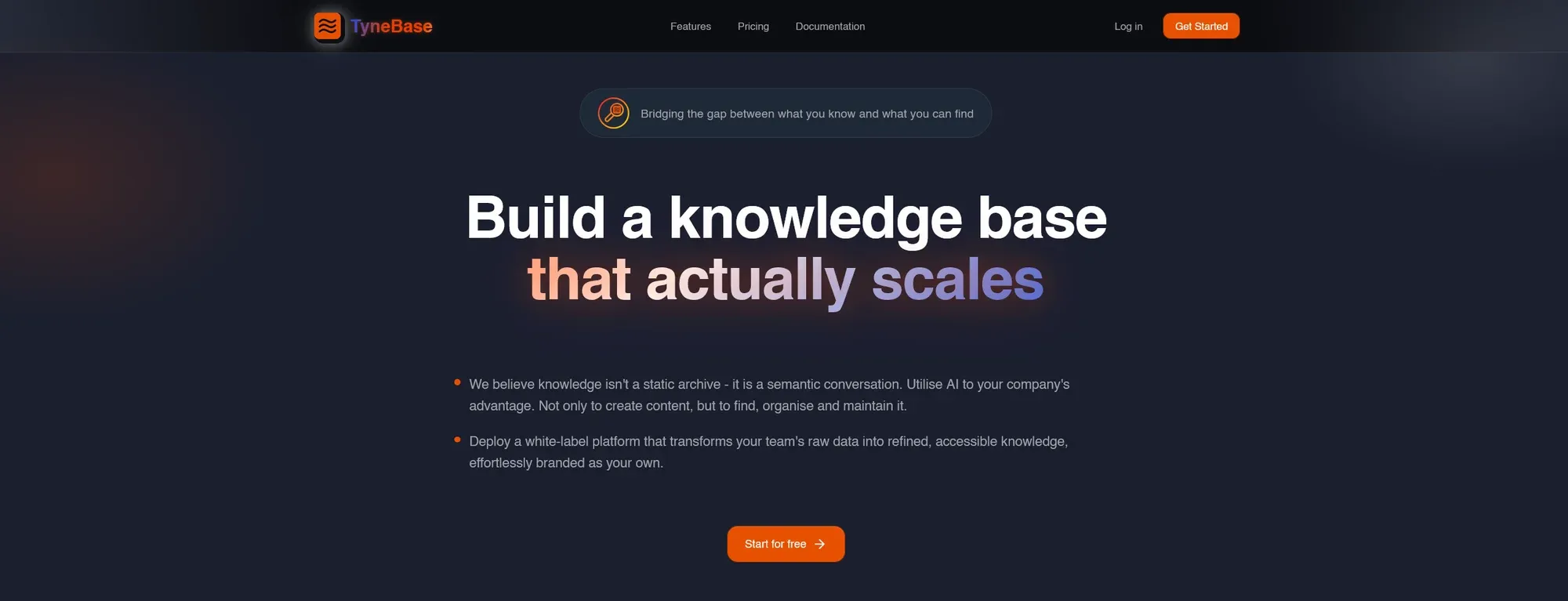
    A white-label knowledge platform agencies can rebrand for each client.

  • Motor and consumer services

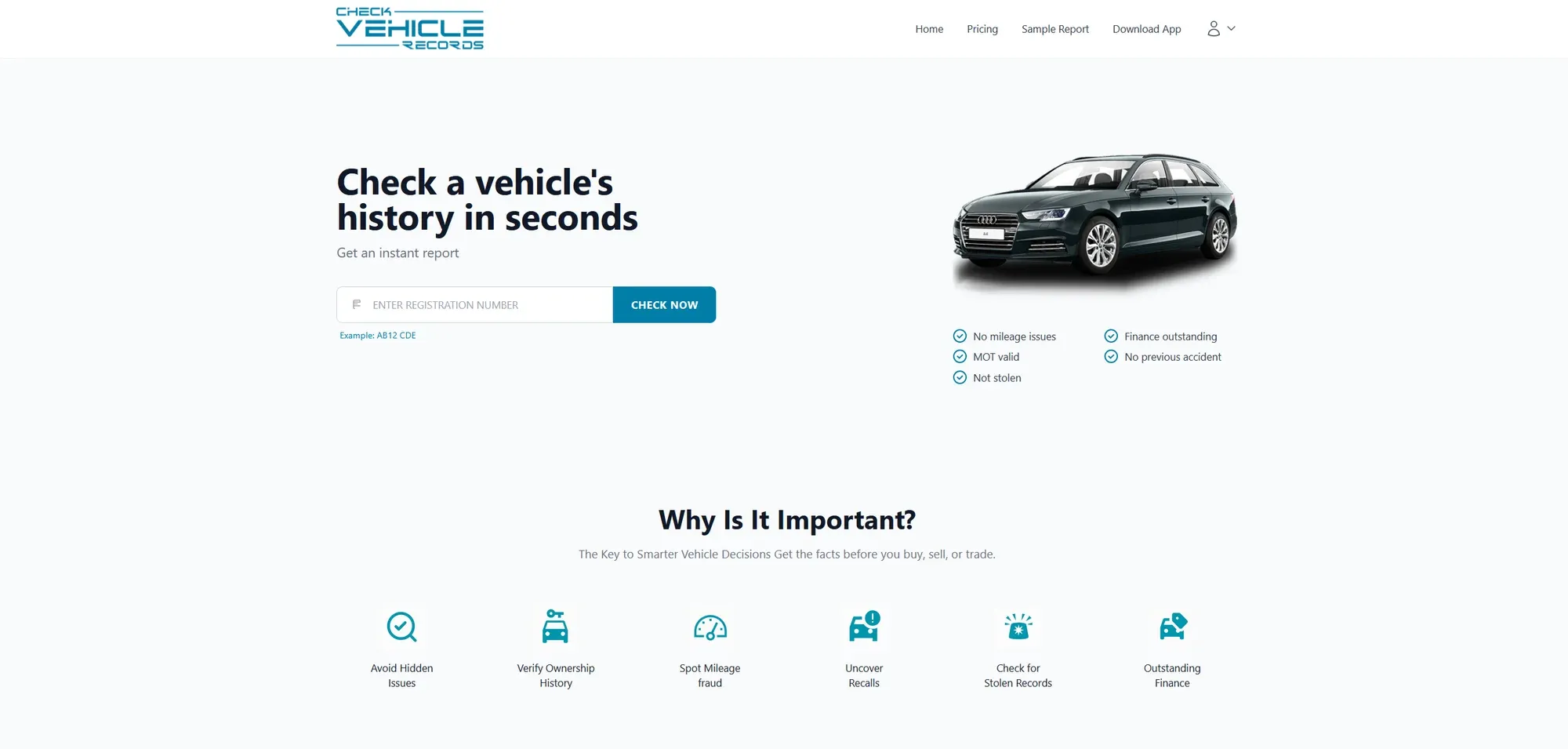
    A vehicle history service on the web and in native apps, pulling many data sources into one report.

  • Hospitality

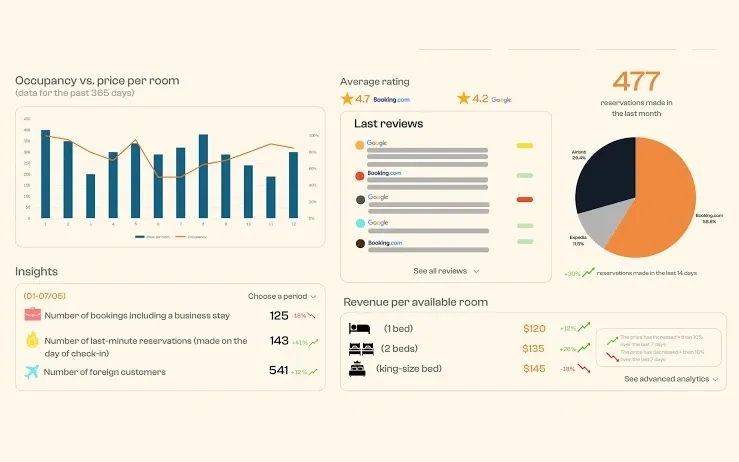
    A live analytics product that forecasts occupancy and suggests prices.

  • Education

    Lesson and content tools where AI drafts and teachers approve.

The engagement

How it runs, start to finish

The full process
  1. Blueprint

    Agree the user, the core loop and the riskiest assumption. You get the architecture, a scope for the MVP and a fixed price.

  2. Build

    Weekly releases to a staging link, with the AI tested on real data first.

  3. Launch

    Live with your first users, with analytics and support in place.

  4. Run

    Monthly releases shaped by usage, plus hosting, monitoring and model updates.

Stack

What it's built with

Chosen per project. These are the tools in production today.

Models
  • Claude
  • GPT
  • Gemini
  • OpenRouter
Frameworks
  • React
  • Next.js
  • Vue
  • Astro
  • Node.js
  • Python
Data
  • Postgres
  • Supabase
  • pgvector
  • Redis
Infra
  • Vercel
  • Fly.io
  • Docker
  • Stripe
Channels
  • Web
  • iOS
  • Android
  • PWA

Related work

Built and running

All work

Fully white-labelmulti-tenant knowledge platform, each client on its own brand

TyneBase

A white-label knowledge platform that lets agencies and enterprise teams run their own branded, AI-searchable knowledge base.

AI products
  • Vue 3
  • React
  • TypeScript
  • PostgreSQL

12+ checksin every report, on the web, iOS and Android

Check Vehicle Records

A UK vehicle history service with instant reports on the web and native iOS and Android apps.

AI products
  • Vue 3
  • TypeScript
  • REST APIs
  • Docker

Under 500mslive updates to occupancy, revenue and price suggestions

Hospitality AI analytics dashboard

A real-time dashboard that helps hospitality owners forecast occupancy and revenue and set better prices.

AI products
  • Supabase (real-time)
  • Server-side AI inference
  • TypeScript

FAQ

AI products: common questions

What does an MVP cost?

A focused MVP with accounts and one core AI feature is usually a mid four-figure build. Platforms with billing, tenants and native apps cost more. The Blueprint fixes the scope and the price.

How long until we can launch?

Most MVPs launch in four to ten weeks. You see working software every week, so you can show investors or early users before launch day.

Can you work with our existing code or team?

Yes. I can take over a prototype, work alongside your developers, or hand over cleanly to an in-house team with documentation.

Who owns the product?

You own the code, the data and the accounts. Everything runs in your name, so investors and buyers see a clean ownership trail.

What if the AI part does not work well enough?

That is tested first, in the Blueprint or the first week of the build, on real data. If it cannot meet the bar, you find out before most of the budget is spent.

Do you build mobile apps too?

Yes, iOS and Android alongside the web app when the product needs them, as with Check Vehicle Records.

Not sure where to start? Book a Blueprint

A fixed-fee architecture engagement: what to build, how it fits your tools, and a fixed price to build it. £160, credited against the build.